
 570-630-9354
The Science Behind How Addiction Changes the Brain
Addiction changes brain structure and chemistry by disrupting reward, motivation, memory, and self-control systems, which strengthens cravings, weakens decision-making, and makes stopping difficult without structured treatment, medical support, and long-term therapeutic care that helps the brain gradually heal and rebalance.
You may have asked yourself how addiction changes the brain and why stopping feels so hard. It is not about weak willpower. It is about real changes inside the brain that affect cravings, mood, and decision-making. Over time, substances reshape reward pathways and stress systems. As a result, your brain starts to prioritize the substance over daily life. That shift can feel confusing and scary. Still, there is hope. The brain can heal with the right care and support. Treatment programs, including a rehab center in Pennsylvania, focus on both physical and mental recovery. They help calm cravings and rebuild healthy patterns. When you understand what is happening in your brain, you gain clarity. And clarity can be the first step toward real, lasting change.
Jump to Section
The Brain’s Reward System And Dopamine Disruption
Your brain has a reward system that helps you feel pleasure and motivation. Dopamine plays a central role in that system. When you use drugs, dopamine levels spike far beyond normal limits. Over time, your brain adjusts and produces less natural dopamine. As a result, daily activities feel dull. This shift explains part of how addiction changes the brain.

Substances begin to feel necessary just to feel okay. Cravings grow stronger because your brain links the drug to relief. Programs like cocaine rehab focus on calming this cycle and restoring balance. With steady care, dopamine activity can improve. Still, patience is needed. Repeated substance use trains the brain in unhealthy ways, yet healing is possible. Support helps your brain relearn how to respond to normal rewards again.
Changes In Decision-Making And Self-Control
Addiction affects the part of your brain that handles judgment and impulse control. This area helps you weigh risks and think ahead. When it weakens, short-term relief can feel more urgent than long-term safety. You may notice choices that once felt simple now feel harder. These changes show how addiction changes the brain in daily life. The following signs often appear:
- Impulsive choices: Acting quickly without thinking through consequences.
- Risk-taking: Ignoring dangers that once felt clear and serious.
- Poor planning: Struggling to organize tasks or follow long-term goals.
- Emotional reactions: Letting anger or stress drive sudden decisions.
- Repeated use despite harm: Continuing substance use even after clear losses.
Structural And Functional Brain Changes
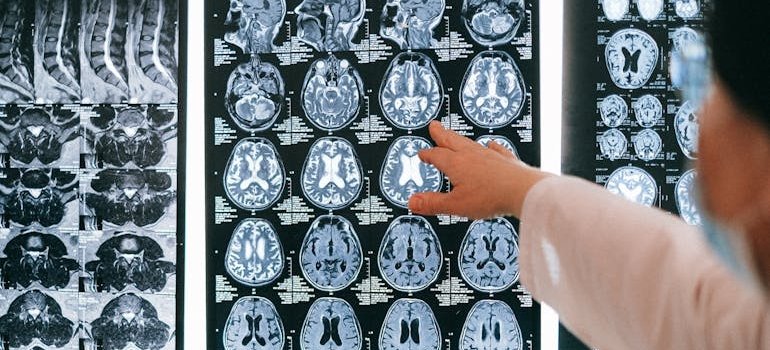
Long-term substance use can affect both brain structure and activity. Imaging studies show changes in areas tied to reward, memory, and control. Some substances are known as the most damaging drugs for your brain because they strongly disrupt these systems. Over time, gray matter volume may decrease in certain regions. Communication between brain cells can also weaken.
These shifts make cravings harder to resist. Focus and learning may suffer as well. Still, the brain can adapt with sobriety and care. Healing does not happen overnight, yet progress builds slowly. Treatment, therapy, and stable routines help protect recovery. When you stay consistent, your brain gains the chance to repair pathways and support clearer thinking and emotional balance.
How Rehab Supports Brain Healing
You may wonder how addiction changes the brain and what rehab really does to help. Treatment is not just about stopping substances. It focuses on calming the body, restoring balance, and rebuilding healthy patterns. Over time, brain changes from addiction can begin to reverse. Rehab gives you structure, safety, and skilled support. Each part of care works together to repair addiction and brain chemistry and improve daily function.
Medical Detox And Stabilization
Medical detox is often the first step in healing. During inpatient medical detox, doctors and nurses monitor your symptoms closely. This stage helps your body clear substances safely while managing pain, anxiety, and sleep problems. Withdrawal can feel intense, yet medical care lowers serious risks. Stabilization also protects your brain while it adjusts to lower substance levels.
As toxins leave your system, how drugs affect the brain becomes easier to address in treatment. Cravings may still appear, but your body begins to settle. This early support reduces fear and confusion. You are not expected to handle withdrawal alone. With steady supervision and comfort care, your brain gets the calm environment it needs to begin real repair and move toward the next stage of recovery.
Behavioral Therapy And Cognitive Restructuring
After detox, therapy helps reshape patterns that kept addiction active. A structured CBT treatment plan for substance abuse teaches you to notice triggers and shift harmful thoughts. You learn how addiction changes the brain and how those patterns influence choices. Over time, therapy strengthens self-control and problem solving. Sessions focus on real situations you face each day.
You practice new coping skills and build healthier responses to stress. This work supports healing in areas tied to memory and emotion. As you repeat these skills, new brain pathways form. Old habits lose strength. Change does not happen overnight, yet steady practice leads to progress. Therapy gives you tools you can use long after formal treatment ends, which supports long term effects of addiction on the brain in a positive direction.

Medication-Assisted Treatment Options
Medication can play a strong role in recovery for some people. Programs that offer medication assisted treatment in Pennsylvania combine medical care with counseling. These medications help reduce cravings and block certain drug effects. As a result, your brain can stabilize without constant stress. You still attend therapy and work on daily skills. Medication does not replace effort.
Instead, it supports your focus and lowers relapse risk. Doctors monitor doses and adjust them as needed. This balanced approach helps repair systems damaged by substance use. You gain space to think clearly and rebuild healthy habits. When used correctly, medication becomes part of a full plan that addresses how addiction changes the brain while giving you steady support through each stage of care.
Long-Term Recovery And Neural Rewiring
Healing continues long after formal treatment ends. Long-term recovery builds strength in the brain through steady habits and support. Programs in sober living in Pennsylvania provide structure while you return to daily life. These steps help reinforce healthy pathways and weaken old triggers. The following habits support neural rewiring and steady progress:
- Routine: Daily structure reduces stress and supports stable brain function.
- Peer support: Shared accountability strengthens motivation and lowers relapse risk.
- Healthy sleep: Rest helps restore balance in mood and focus.
- Physical activity: Movement improves dopamine levels and emotional control.
- Ongoing therapy: Continued counseling reinforces new thinking patterns.

Genetics, Risk Factors, And Vulnerability
You may wonder why some people develop addiction faster than others. Genetics can play a role in how your brain responds to substances. If addiction runs in your family, your risk may be higher. However, genes are only part of the picture. Environment, stress, and early life experiences also matter. Trauma and ongoing pressure can increase vulnerability.
When stress stays high, the brain looks for relief. Substances may seem like a quick answer. Over time, repeated use strengthens unhealthy patterns. This does not mean addiction is inevitable. It means awareness is powerful. Early support, healthy coping skills, and strong relationships lower risk. When you understand your own triggers and history, you can make informed choices and seek help sooner if needed.
Memory, Stress, And Emotional Regulation
Addiction also changes how your brain handles memory and stress. Past experiences with substances become deeply linked to emotion. A smell, place, or feeling can trigger strong cravings. Stress systems stay on high alert, which makes calm moments harder to reach. Mood swings may feel stronger and more frequent. These shifts reflect how addiction changes the brain over time. Common effects include:
- Trigger memories: Strong recall of past substance use during stress.
- Heightened anxiety: Feeling tense even in safe situations.
- Low mood: Struggling with sadness or lack of motivation.
- Sleep problems: Trouble falling or staying asleep.
- Emotional swings: Rapid changes in mood during daily events.

Recovery Timeline And Brain Repair
You may still ask how addiction changes the brain over time and what healing really looks like. Recovery follows stages, and each stage brings different changes. At first, your body and mind adjust to life without substances. Then focus and mood begin to improve. With steady care, brain pathways grow stronger. Knowing this timeline helps you stay patient and hopeful.
Early Sobriety And Withdrawal Effects
The first days and weeks can feel intense. Your brain is adjusting after heavy substance use. Cravings, sleep trouble, and mood swings are common. Many heroin rehab centers explain that this stage is temporary, even when it feels overwhelming. Your body works hard to regain balance. Stress systems may feel overactive. You might struggle with focus or energy.
These reactions reflect how addiction changes the brain in early recovery. Support during this time matters greatly. Medical care, therapy, and peer groups reduce fear and confusion. Each sober day allows your brain to calm slightly. Symptoms often peak early and then slowly decrease. Even small improvements signal that healing has started and that your brain is beginning to regain stability.
Short-Term Cognitive Improvement
After the first month, many people notice clearer thinking. Memory and focus often improve gradually. Mood may feel more stable, though stress can still trigger cravings. This stage shows that the brain responds to steady sobriety. Healthy sleep and nutrition support these gains. Therapy continues to strengthen decision-making skills. You may feel more aware of triggers and better prepared to respond.
However, patience remains important. Some symptoms linger, especially during stress. Progress can feel uneven, yet overall direction moves forward. Each healthy choice reinforces recovery pathways. Social support also boosts confidence and lowers relapse risk. These short-term gains motivate you to continue. They show that how addiction changes the brain is not permanent when you commit to consistent care and support.

Long-Term Brain Plasticity
Over months and years, the brain continues to adapt. New connections form through repeated healthy actions. This process is called plasticity, and it supports lasting change. Emotional balance becomes easier to maintain. Decision-making grows stronger. Cravings may still appear, yet they usually feel less intense. Continued therapy and structured routines protect this progress.
The brain learns to respond to stress without substances. Healthy relationships also support growth. You begin to trust your own judgment again. Long-term healing depends on daily habits, not one single event. As time passes, many people feel more stable and confident. Growth does not mean perfection. It means steady progress that builds resilience and supports a life no longer ruled by substance use.
Preventing Relapse During Brain Healing
Relapse risk can remain present while the brain is still healing. Stress, conflict, or isolation may trigger old patterns. Staying aware helps you protect progress and avoid setbacks. Strong support systems and clear plans lower risk during this stage. These actions help you stay focused and grounded:
- Trigger awareness: Identify people, places, and emotions that increase craving risk.
- Support meetings: Regular groups provide accountability and shared strength.
- Coping skills: Practice stress tools before challenges grow intense.
- Healthy boundaries: Limit contact with high-risk situations and influences.
- Emergency plan: Create steps to follow if cravings suddenly rise.
It’s Time To Break The Cycle
Now you have a clearer picture of how addiction changes the brain and why it feels so powerful. These changes are real, and they affect reward, stress, and self-control. However, they are not permanent in every case. The brain can repair and build new patterns with time and treatment. That process takes effort, yet it also brings hope. You are not broken, and you are not alone in this struggle. With therapy, medical care, and steady support, healing becomes possible. Small steps matter, even on hard days. Reaching out for help can feel scary, but it often brings relief. Your brain has the ability to adapt and grow stronger. Recovery is not quick, yet it is real, and it starts with one decision to seek support.
FAQ
How is the brain affected by an addiction?
Addiction disrupts the brain’s reward system by flooding it with dopamine. Over time, the brain produces less natural dopamine and becomes less responsive to everyday pleasure. Areas linked to judgment, impulse control, memory, and stress also change. As a result, cravings grow stronger while self-control weakens. This is why people continue using substances even when they understand the risks.
Does the brain ever fully recover from addiction?
The brain can heal, but recovery takes time. Many changes improve after weeks or months of sobriety, especially with therapy and medical support. Healthy routines, counseling, and medication can help restore balance. Some effects, such as stress sensitivity or craving patterns, may linger. Still, long-term recovery is possible, and many people regain strong cognitive and emotional function.
How long can brain changes last after drug addiction?
Brain changes can last for months or even years, depending on the substance, length of use, and overall health. Dopamine function may begin improving within a few months of sobriety. However, stress response and impulse control can take longer to stabilize. Ongoing treatment and relapse prevention strategies support continued healing and help protect long-term brain health.
Does an addict's brain look different?
Brain imaging studies show structural and functional differences in people with substance use disorders. Areas related to decision-making, reward processing, and emotional regulation may appear smaller or less active. These differences reflect altered brain pathways, not personal weakness. With sustained recovery, many of these changes can partially reverse as the brain adapts and rebuilds healthier connections.
Admissions
Family Programs
“Adventure trek is always popular”
Little creek lodge is such an amazing place for people who want to make a serious change in their life. I’ve watched my loved one grow immensely through his recovery with the help of the caring staff and engaging programs. Adventure trek is always popular on the agenda!
Annabelle Stiso |

